Meet Your Cochlea
Spring is in the air and with it comes the sounds of the season: birds singing in the morning, kids playing outside, and the rustle of fresh leaves. Even small sounds remind us how important our hearing is. At the heart of it all is your cochlea, a tiny spiral-shaped organ in your inner ear that plays a big role in how you experience sound.
What Is the Cochlea and How Does It Work?
The cochlea is part of your inner ear and contains thousands of tiny hair cells. These cells aren’t like the hairs on your head - they’re specialized sensors that convert sound vibrations into electrical signals your brain can interpret.
When your cochlea is healthy, it allows you to hear a wide range of sounds, from the low rumble of 20 Hz to the high chirp of 20,000 Hz.
Here’s a closer look:
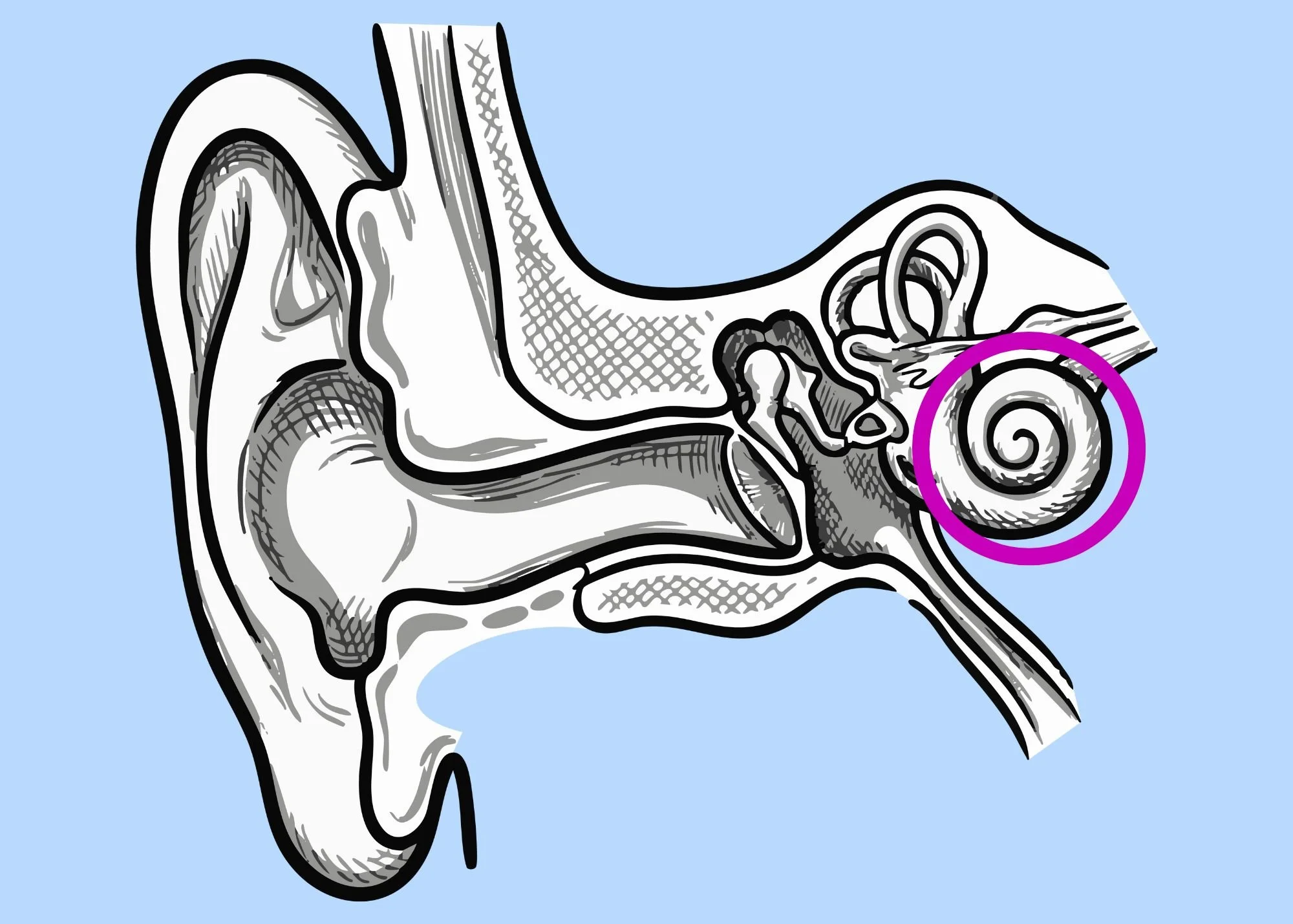
The cochlea
If we unroll the cochlea, you’ll see:
One row of inner hair cells
Three rows of outer hair cells
These hair cells are arranged by frequency, similar to an upside-down piano: high notes are at the base, low notes at the top.
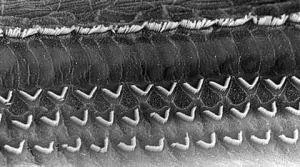
The inside of a healthy cochlea
Why Hair Cells Are Key to Hearing
Not all hair cells get damaged at once, but over time:
Certain pitches may need to be louder. This shows up on your audiogram and can make speech sound muffled or distant.
Sounds may not feel quite “right” - even if you can hear it, the sound might sound “off”
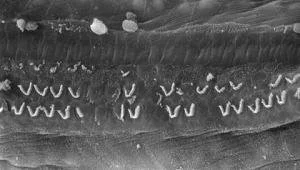
The inside of a cochlea with damaged hair cells
How Hearing Aids Work With Your Cochlea
Hearing aids support your hearing by filling in the gaps where hair cells are damaged. When you wear hearing aids, they are are carefully programmed based on your hearing thresholds. This means they boost the sounds your hair cells aren’t picking up to help you hear clearly. Together, your cochlea, hair cells, and hearing aids make it possible to enjoy everyday sounds:
Conversations with friends and family
Music and entertainment
The subtle sounds of nature, like birdsong
Enjoy the Sounds of Spring
Take a moment this spring to notice the little sounds that make life feel alive. Your cochlea, brain and sometimes hearing aids work together to help you experience the richness of the world around you. If you feel like you’re missing more than you would like to this spring, then consider scheduling an appointment to check your hearing.